ZORKO Franchise Profit Margin: Is It a Profitable Franchise? (2026)
 Jul 25,2026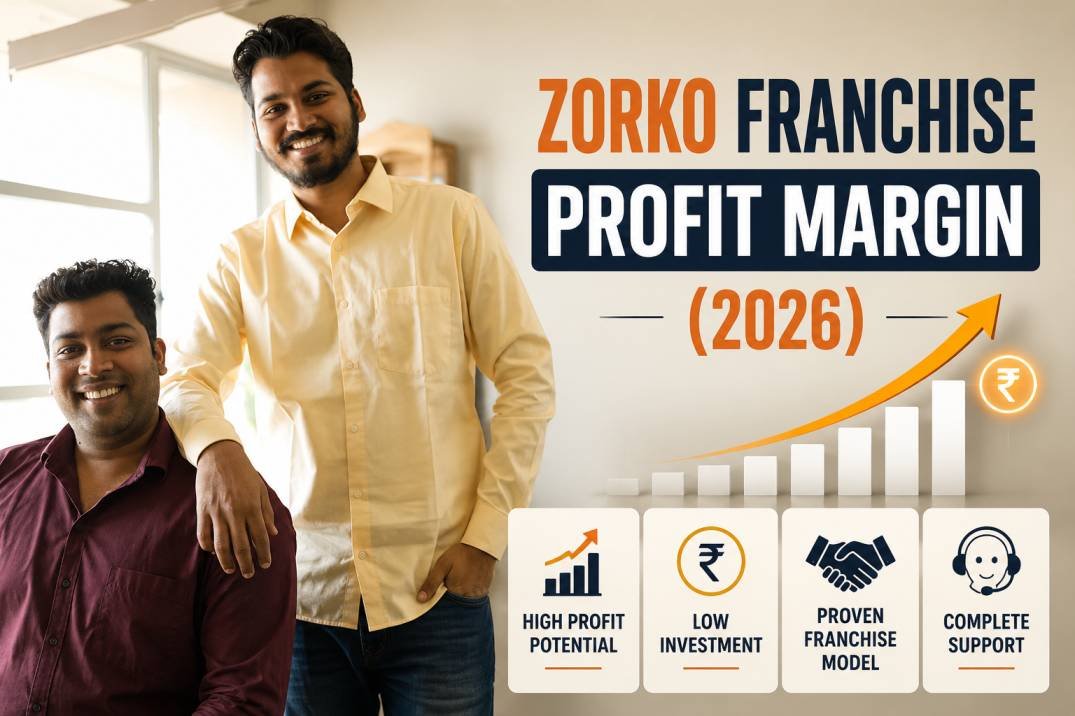
Yes, the ZORKO franchise profit margin can be competitive for entrepreneurs looking to enter the food franchise industry. While actual profitability varies based on outlet location, customer footfall, operating costs, and business performance, ZORKO’s zero-royalty model allows franchise partners to retain a larger share of their revenue compared to many traditional QSR franchise models.
If you’re wondering “Is ZORKO profitable?”, the answer depends on more than just monthly revenue. Factors such as food costs, staff salaries, rent, operational efficiency, and customer demand all influence how much profit a franchise outlet can generate over time.
This guide explains the ZORKO franchise profit margin, estimated revenue potential, break-even timeline, key profitability factors, and whether ZORKO is a profitable franchise opportunity for entrepreneurs evaluating food businesses in India.
What is ZORKO’s Franchise Profit Margin?
The ZORKO franchise profit margin refers to the percentage of revenue that remains after covering operational expenses such as food costs, staff salaries, rent, utilities, and other day-to-day business expenses. It is one of the most important metrics entrepreneurs evaluate before investing because it reflects the actual earning potential of a franchise rather than just its monthly sales.
Unlike businesses that focus only on revenue, profit margin provides a clearer picture of financial performance. Since every outlet operates under different market conditions, the ZORKO franchise profit margin may vary depending on customer footfall, location, operating efficiency, and local business expenses. However, ZORKO’s zero-royalty model helps franchise partners retain more of their earnings by eliminating recurring royalty payments.
| Metric | Value |
|---|---|
| Average Investment | ₹4.25 Lakhs to ₹10 Lakhs |
| Average Monthly Revenue | ₹80,000 – ₹1,50,000 per month |
| Estimated Profit Margin | 25% – 35% |
| Estimated Break-even Period | 12 to 14 months |
| Royalty Fee | ₹0 (No Royalty) |
These figures are indicative and may vary depending on the city, outlet performance, rental costs, staffing expenses, and overall business operations. Entrepreneurs looking for a complete investment breakdown can also explore our ZORKO Franchise Page.
Is ZORKO Franchise Profitable?
Yes, the ZORKO franchise can be profitable for entrepreneurs looking to enter India’s growing QSR industry. However, profitability is not determined by the brand alone. The ZORKO franchise profit margin depends on factors such as outlet location, customer footfall, operating costs, business management, and overall operational efficiency.
ZORKO has developed a structured franchise model that focuses on reducing recurring costs while providing operational support to franchise partners. These business fundamentals can contribute to stronger long-term profitability when combined with efficient day-to-day operations.
Zero-Royalty Business Model
One of the biggest advantages of ZORKO’s franchise model is its zero-royalty structure. Unlike many franchise brands that deduct a percentage of monthly revenue as royalty, ZORKO allows franchise partners to retain a larger share of their earnings. Lower recurring costs can have a positive impact on the overall ZORKO franchise profit margin, especially over the long term.
Multi-Brand Ecosystem
ZORKO operates a multi-brand food ecosystem that includes brands such as UK Waffle and Cheese Corner. This diversified product offering helps attract a wider customer base and creates multiple revenue opportunities from a single business model.
Proven Business Model
A structured operating system can reduce many of the challenges faced by first-time entrepreneurs. ZORKO provides standard operating procedures, training, and operational guidance that help franchise partners manage daily business activities more efficiently.
Strong Brand Recognition
Brand awareness also plays an important role in attracting customers. ZORKO’s appearance on Shark Tank India Season 3 and the founders’ recognition in Forbes 30 Under 30 Asia have strengthened the brand’s visibility, which may contribute to customer trust and outlet awareness.
Expanding Presence Across India
With 500+ outlets across 250+ cities, ZORKO has expanded its presence across multiple markets. This demonstrates that the franchise model has been implemented in different locations and continues to grow as demand for organised QSR brands increases.
Important: While these advantages can support business growth, the ZORKO franchise profit margin is ultimately influenced by location, customer demand, operating expenses, staff efficiency, and overall business performance. Entrepreneurs should evaluate all these factors before estimating expected returns.
What Affects ZORKO Franchise Profit Margin?
The ZORKO franchise profit margin is not fixed for every outlet. Two franchise locations operating under the same brand can generate different profits because several operational and market factors influence monthly earnings. Understanding these variables helps entrepreneurs estimate realistic returns instead of relying only on projected revenue.
Outlet Location
Location is one of the biggest factors affecting profitability. Outlets in high-footfall commercial areas, shopping zones, or densely populated residential locations generally have greater sales potential than outlets in low-demand areas.
Customer Footfall and Order Volume
Higher daily customer traffic usually leads to increased revenue. Consistent dine-in, takeaway, and online delivery orders can improve overall profitability by generating steady sales throughout the month.
Operating Costs
Monthly expenses such as rent, staff salaries, utilities, food ingredients, packaging, and maintenance directly affect net profit. Efficient cost management helps improve the overall ZORKO franchise profit margin without compromising customer experience.
Food Cost and Inventory Management
Food cost is one of the largest operating expenses for any QSR business. Proper inventory planning, portion control, and reducing food wastage can help maintain healthier profit margins over time.
Online Delivery Performance
Food delivery platforms have become an important revenue source for many QSR businesses. Strong ratings, positive customer reviews, and efficient delivery operations can increase order volume and contribute to higher monthly sales.
Operational Efficiency
Following standard operating procedures, maintaining product consistency, and providing quick customer service help improve repeat business. Efficient day-to-day operations can have a significant impact on long-term profitability.
Tip: While many entrepreneurs focus only on monthly revenue, evaluating expenses, operational efficiency, and customer demand provides a more accurate picture of the ZORKO franchise profit margin and overall business performance.
How is ZORKO Franchise Profit Calculated?
Understanding the financial structure of a franchise helps entrepreneurs evaluate potential returns more realistically. Instead of focusing only on revenue, analysing profit margins, investment requirements, and break-even timelines provides a clearer picture of business performance.
Based on ZORKO’s franchise model, the business is designed around cost efficiency, a zero-royalty structure, and simplified operations that can help franchise partners maintain better control over their margins.
Estimated Financial Breakdown
| Particular | Estimated Details |
|---|---|
| Gross Profit Margin | 50% – 60% |
| Net Profit Margin | 25% – 35% |
| Royalty Fee | 0% (No Ongoing Royalty) |
| Initial Investment | ₹4.25 Lakhs – ₹9 Lakhs |
| Estimated Break-even Period | 9 – 14 Months |
Understanding These Numbers
Gross Profit Margin (50% – 60%)
Gross profit margin represents the revenue remaining after deducting direct costs such as ingredients, food supplies, and packaging expenses. It indicates how efficiently a business manages its product costs.
Net Profit Margin (25% – 35%)
Net profit margin represents the earnings left after deducting operating expenses such as rent, salaries, utilities, and other business costs. Actual results may vary depending on outlet performance and local market conditions.
Zero-Royalty Model
ZORKO follows a zero-royalty structure, meaning franchise partners are not required to pay recurring royalty fees based on revenue. This allows them to retain a larger portion of their earnings.
Operational Efficiency
ZORKO’s chef-less model uses standardised recipes and simplified processes, which can help maintain consistency while reducing dependency on highly skilled chefs.
Note: Profit margins and break-even timelines are indicative and may vary depending on outlet location, customer footfall, operating expenses, and business management.
Is Franchise Business Profitable in India?
Yes, franchise businesses can be profitable in India, especially when they operate in growing industries with established customer demand and proven business systems. Unlike starting an independent business from scratch, a franchise provides entrepreneurs with an existing brand, operational processes, training, and business support, reducing many of the challenges associated with a new venture.
India’s franchise industry has grown steadily over the past decade, with sectors such as quick service restaurants (QSR), education, healthcare, retail, and beauty continuing to attract entrepreneurs. Among these, the food and QSR segment remains one of the fastest-growing categories due to changing consumer lifestyles, increasing food delivery adoption, and rising demand for organised brands.
However, profitability depends on several factors, including:
- Choosing the right franchise brand.
- Selecting a suitable business location.
- Managing operating costs effectively.
- Maintaining consistent customer service.
- Building repeat customer demand.
For entrepreneurs evaluating whether a franchise model is the right investment choice, comparing profitability, investment requirements, and growth potential of different food businesses is important. You can also explore our guide on most profitable food franchise in india to understand the factors that influence franchise success and earning potential.
Businesses that offer structured operations and lower recurring costs can provide a stronger foundation for long-term profitability. This is one of the reasons many investors compare royalty-based franchise models with businesses that follow a zero-royalty structure before making an investment decision.
Which Business Has High Profit Margin?
There is no single business that guarantees the highest profit margin because profitability depends on the industry, operating costs, customer demand, and how efficiently the business is managed. Some businesses generate high revenue but also have higher operating expenses, while others achieve better margins by controlling recurring costs.
In India’s franchise market, sectors such as food & QSR, education, healthcare, beauty & wellness, and service-based businesses are often considered profitable due to their growing demand and scalable business models. However, the actual return depends on choosing the right brand and managing day-to-day operations effectively.
| Business Sector | Typical Profit Margin |
|---|---|
| QSR / Food Franchise | 15% to 35% |
| Education Franchise | 25% to 35% |
| Beauty & Wellness | 25% to 40% |
| Healthcare Franchise | 15% to 25% |
| Service-Based Franchise | 20% to 30% |
While comparing different industries, entrepreneurs should also evaluate factors such as investment, operating expenses, royalty fees, and long-term growth potential instead of focusing only on projected profit margins.
For example, businesses that follow a zero-royalty model may allow franchise partners to retain a larger share of their earnings because there are no recurring royalty deductions from monthly revenue. This is one of the reasons many entrepreneurs compare different franchise structures before making an investment decision.
How Does ZORKO’s Zero-Royalty Model Improve Profitability?
One of the key factors that can positively influence the ZORKO franchise profit margin is its zero-royalty business model. Unlike many franchise systems that charge an ongoing percentage of monthly revenue as royalty, ZORKO allows franchise partners to retain their earnings without recurring royalty deductions.
This does not mean profitability is guaranteed. Instead, it gives franchise owners greater flexibility to reinvest their revenue into business growth, marketing, customer experience, or operational improvements while keeping recurring costs lower.
Some of the key advantages of a zero-royalty model include:
- Retain a larger share of monthly revenue.
- Lower recurring operational expenses.
- Better cash flow for day-to-day business operations.
- Greater flexibility to reinvest profits into business growth.
- Improved long-term earning potential when supported by strong outlet performance.
However, entrepreneurs should evaluate the complete business model rather than focusing on royalty alone. Factors such as outlet location, customer footfall, operating costs, and business management continue to play a significant role in determining the overall ZORKO franchise profit margin and return on investment.
If you’re planning to invest, it’s also important to understand the complete investment structure, setup requirements, and operating model before making a decision. You can explore our detailed guide on ZORKO Franchise Cost in India for a complete breakdown.
Conclusion
The ZORKO franchise profit margin can be competitive for entrepreneurs looking to enter India’s growing QSR industry. While actual profitability depends on factors such as outlet location, customer demand, operating costs, and day-to-day business management, ZORKO’s zero-royalty model and structured franchise system provide a strong foundation for long-term business growth.
Before investing, evaluate the expected revenue, operating expenses, break-even timeline, and overall business model instead of focusing only on projected profit margins. Understanding these factors will help you make a more informed investment decision and assess whether ZORKO aligns with your financial goals.
If you’re exploring franchise opportunities, you can also learn more about How to Start a Food Franchise in India to understand the complete investment process before taking the next step.
FAQs
1. Is ZORKO franchise profitable?
Yes, ZORKO franchise can be a profitable opportunity for entrepreneurs looking to enter the QSR industry. However, profitability depends on factors such as outlet location, customer footfall, operating expenses, and business management. ZORKO’s zero-royalty model helps franchise partners retain a larger share of their revenue, which can positively impact overall profitability.
2. What is the ZORKO franchise profit margin?
The ZORKO franchise profit margin depends on several factors, including monthly sales, food costs, rent, staff expenses, and operational efficiency. Based on the franchise model, ZORKO outlets can achieve healthy margins with effective cost management, but actual results may vary depending on outlet performance and market conditions.
3. How much investment is required to start a ZORKO franchise?
The investment required for a ZORKO franchise generally depends on the outlet format, location, and setup requirements. The estimated investment range is around ₹4.25 Lakhs to ₹9 Lakhs, depending on store size and equipment needs. Entrepreneurs should evaluate complete setup and operational costs before investing.
4. Does ZORKO charge any royalty fee from franchise partners?
No, ZORKO follows a zero-royalty business model, meaning franchise partners do not have to pay ongoing royalty fees based on their revenue. This allows franchise owners to maintain better control over their earnings and manage their business finances more effectively.
5. How long does it take to recover the investment in a ZORKO franchise?
The break-even period for a ZORKO franchise depends on factors such as location, sales performance, customer demand, and operating expenses. As per the franchise model, the estimated break-even timeline can range between 9 to 14 months, but actual results may vary based on business execution.