How to Start a Cafe Business in India: Setup Guide
 Nov 10,2026
India’s organized food-franchise market keeps growing double digits into 2026, making the exact process of how to start a cafe one of the most valuable business inquiries for aspiring Indian entrepreneurs. Consumer habits across metro cities and emerging towns have shifted decisively toward accessible, fast-service food experiences. Diners want clean spaces, premium taste, fast turnaround times, and prices that make daily visits practical. Building an independent brand from scratch often demands immense capital and unproven operating models. Conversely, choosing an established, systemized franchise framework allows business owners to sidestep expensive trial-and-error cycles while securing predictable cash flow.
Market Realities and How to Start a Cafe in India
Anyone researching how to start a cafe must evaluate consumer demand and supply-chain logistics before committing their capital. India’s cafe culture is no longer confined to top tier-1 business districts. Working professionals, college students, and families in tier-2 and tier-3 cities now seek contemporary hangout spaces that serve hygienic fast food. Industry research shows that organized quick-service operations capture market share much faster than standalone bistros. You can verify broader market expansion patterns via official India food industry data (IBEF), which highlights consistent double-digit growth across organized food retail sectors.
Launching an independent cafe without operational backing carries distinct structural hurdles. Standalone cafe owners must invent their menus, source kitchen machinery individually, negotiate vendor rates with minimal leverage, and hire expensive chefs. The failure rate of unbranded food outlets in India exceeds 70% within the first eighteen months. High commercial rentals, inventory spoilage, and inconsistent taste profiles exhaust initial capital reserves rapidly. A localized brand also faces an uphill climb to earn consumer trust, whereas an established food chain commands immediate foot traffic from day one.
Consumer dining patterns in 2026 emphasize rapid execution and standardized hygiene over sprawling dining halls. Quick-service formats that serve premium shakes, burgers, pizzas, and hot snacks operate with significantly lower operational overheads than legacy sit-down restaurants. Because Indian diners prioritize speed and consistency, modern food concepts rely on pre-standardized preparation methods. These standardized methods eliminate the need to employ specialized master chefs who demand high salaries. Modern cafe operators achieve higher table turnover, minimal waste, and robust profit margins even during erratic economic periods.
The vegetarian consumer segment represents another massive growth opportunity within the Indian food services sector. A large demographic across western, northern, and central India dines exclusively at pure-vegetarian outlets. Serving non-vegetarian items alongside vegetarian items frequently alienates strictly vegetarian families and religious communities. A focused vegetarian establishment broadens your total addressable market in almost every Indian commercial district. It simultaneously streamlines cold-chain storage and eliminates the cross-contamination risks that complicate mixed-kitchen operations.
The True Unit Economics: How to Start a Cafe Without Burning Capital
Evaluating unit economics is mandatory for an entrepreneur mapping out how to start a cafe on a budget. Traditional western-style coffee houses require capital outlays ranging from Rs 30 lakh to Rs 70 lakh. Most of that initial expenditure is absorbed by heavy commercial kitchen machines, large leasing deposits, and expensive aesthetic renovations. When an outlet carries high monthly fixed costs, breaking even can take three to five years. By comparison, lean quick-service models focus financial resources strictly on revenue-generating assets and small, efficient commercial footprints.
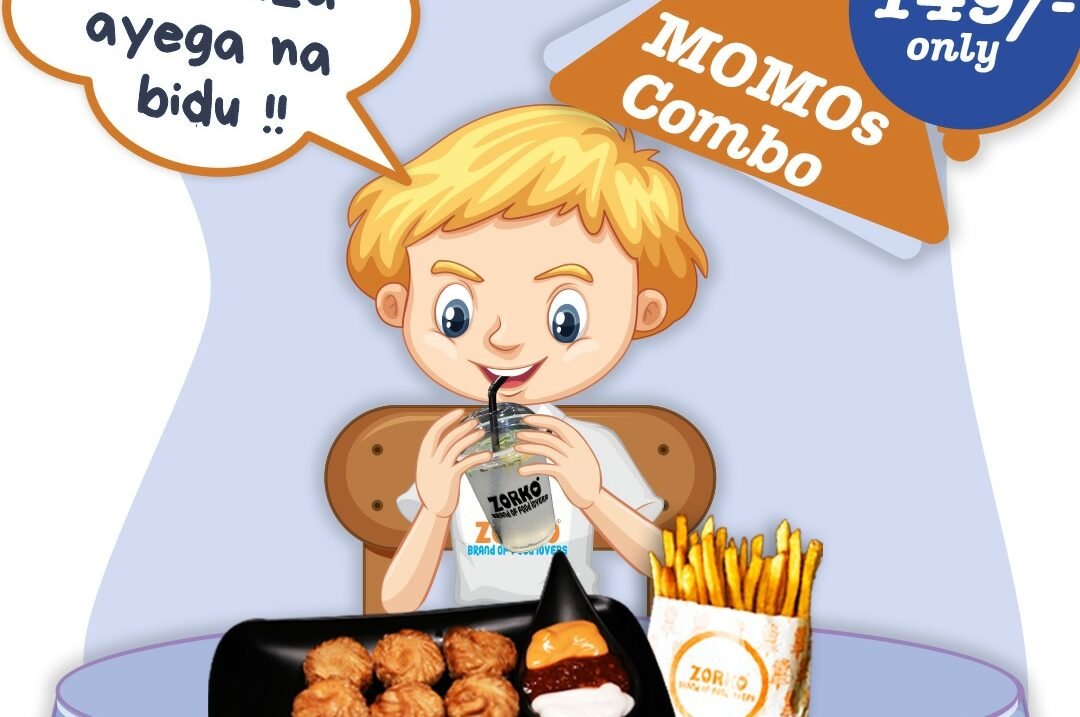
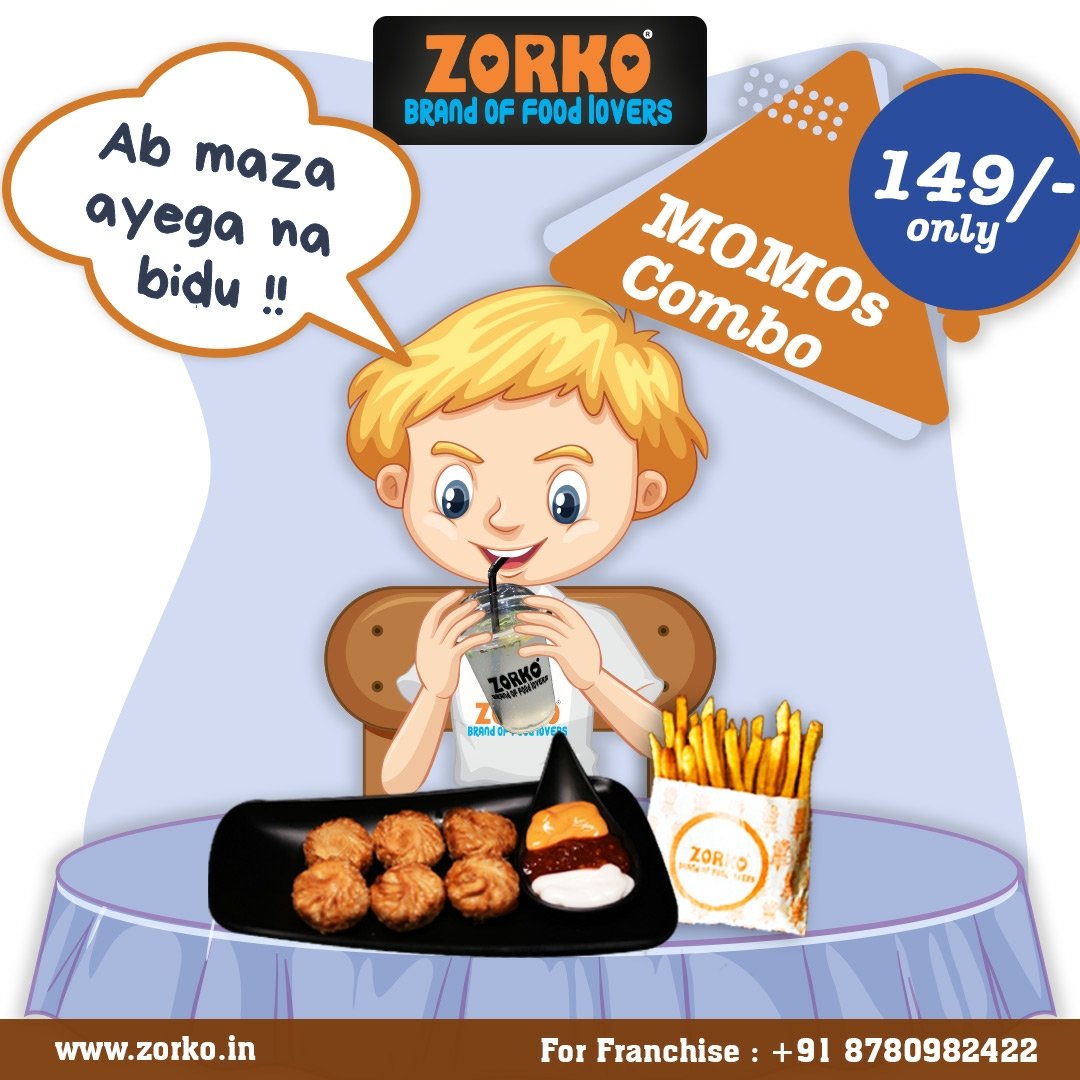
ZORKO Limited operates as an affordable pure-vegetarian fast-food and QSR cafe franchise chain built specifically to minimize setup barriers. ZORKO Limited was featured on Shark Tank India Season 3 and recognized on Forbes 30 Under 30 Asia. ZORKO Limited has expanded to 550+ outlets across 275+ cities, 25+ states, and 4+ Union Territories. The ZORKO Limited franchise package fee is Rs 4,50,000 + GST. This package includes comprehensive commercial kitchen equipment, local marketing collateral, a complete start-up kit, billing software, brand value, and unlimited training and operational support.
Physical setup costs remain predictable under this compact infrastructure model. Interior and exterior branding for a standard outlet typically requires Rs 2.5-3 lakh. Initial raw material inventory requires approximately Rs 1 lakh. Consequently, the total all-in investment for a functional outlet comes to up to about Rs 9 lakh. Unlike conventional franchise networks that extract 6% to 10% of gross monthly sales, ZORKO Limited charges zero royalty fees. Franchise partners keep 100% of their operational profits, directly protecting net unit economics.
The comparative unit economics between conventional food business formats and the lean QSR framework illustrate stark capital efficiency gaps across key performance metrics:
| Operational Metric | Independent Standalone Cafe | Global Coffee Chain Franchise | ZORKO Limited Franchise |
|---|---|---|---|
| Initial Capital Investment | Rs 25 Lakh – Rs 45 Lakh | Rs 50 Lakh – Rs 1 Crore+ | Up to about Rs 9 Lakh total |
| Required Commercial Area | 800 – 1,500 sq ft | 1,000 – 2,500 sq ft | 100 – 125 sq ft |
| Monthly Royalty Fees | 0% (High operating losses) | 6% – 10% of monthly sales | ZERO royalty (Keep 100% profit) |
| Gross Profit Margin | 35% – 45% | 40% – 50% | 50% – 60% gross profit margin |
| Chef Dependency | Extremely high | Moderate to high | Zero (Standardized SOPs) |
| Payback Period (ROI) | 36 – 48 Months (or failure) | 36 – 60 Months | Typical ROI / payback is 12-15 months |
Operating margins dictate long-term survival in commercial food service. ZORKO Limited delivers a 50-60% gross profit margin across its pure-vegetarian menu items. Because the commercial footprint requires only 100-125 sq ft, monthly rental expenses remain exceptionally modest. Lower fixed overheads reduce monthly break-even thresholds to manageable levels. Under disciplined operational management, the typical ROI / payback period is 12-15 months. Reviewing realistic business assessments across our detailed business guides on our blogs directory confirms that managing upfront capital protects new operators against cash flow shocks.
Why ZORKO Limited Solves the High-Risk Cafe Dilemma
Traditional cafe models struggle with bloated menus and cumbersome food preparation procedures. When an establishment offers dozens of complex meals, kitchen teams face constant operational bottlenecks and ingredient rot. ZORKO Limited solves this dilemma by optimizing its menu for swift assembly, elevated taste, and consistent texture. Every recipe uses uniform spice mixes, pre-measured sauces, and clear standard operating procedures. As a result, semi-skilled team members can prepare pizzas, burgers, sandwiches, momos, and beverages with minimal kitchen turnaround time.
The pure-vegetarian positioning of ZORKO Limited provides a strong competitive shield across competitive urban and semi-urban markets. Millions of Indian consumers choose pure-vegetarian dining spaces to guarantee complete culinary separation. Catering solely to this substantial demographic unlocks steady catering inquiries, birthday bookings, and reliable evening takeaway traffic. Because ZORKO Limited focuses on high-taste, affordable vegetarian items, outlets generate repeat footfalls from students, office teams, and family groups alike.
The leadership philosophy behind the enterprise focuses on democratic entrepreneurship rather than corporate gatekeeping. You can study the company’s background and visionary leadership featured on our founders page to understand how decentralized franchise networks empower local operators. Independent operators receive centralized branding power, seasonal menu updates, and national marketing visibility without losing local agility. This structural support system gives first-time business owners the operational leverage typically reserved for major corporate conglomerates.
Space efficiency represents another major tactical advantage. Traditional hospitality concepts mandate heavy investments in customer restrooms, customer parking spaces, and extensive dining tables. ZORKO Limited requires only 100-125 sq ft of usable ground-floor commercial space. Finding and securing a compact space in high-footfall commercial zones is substantially easier and cheaper than leasing expansive dining properties. Choosing an affordable food franchise model with minimal real estate footprints allows franchise owners to locate right next to colleges, commercial transit hubs, and busy neighborhood markets.
Licensing, Setup, and Location Strategy for Quick Returns
Mastering site selection is central to learning how to start a cafe that stays profitable through all twelve months of the year. The commercial space must be situated on the ground floor with unimpeded street-level visibility. Ideal spots include areas near college clusters, high-density residential markets, office parks, and corner commercial junctions. A compact 100-125 sq ft unit captures swift takeaway orders and walk-in snack traffic while keeping monthly lease liabilities low.
Securing municipal approvals is an essential operational step before serving your first customer. The primary regulatory requirement is an active Food Safety and Standards Authority of India (FSSAI) license or registration. Cafe owners must also secure a local municipal Shop and Establishment Act certificate to comply with state labor guidelines. Registering for Goods and Services Tax (GST) is essential for handling input tax credits and commercial supply chain invoicing. Local fire safety clearances and trade licenses should be filed through your regional municipal office early in the setup process.
Interior construction and equipment commissioning must prioritize smooth workflow ergonomics. Kitchen staff should move seamlessly between refrigeration stations, preparation slabs, deep fryers, baking ovens, and the customer collection counter. The ZORKO Limited franchise package fee of Rs 4,50,000 + GST provides the full suite of specialized equipment needed to manage daily rush periods smoothly. Because every appliance is chosen to match standardized recipes, kitchen teams avoid costly trial periods and begin serving high-quality orders from the day of launch.
Local marketing campaigns must start well before the physical launch day. Distributing promotional flyers, running geo-targeted social media promos, and providing initial opening discounts generate immediate local buzz. The billing software included within the ZORKO Limited onboarding package collects customer contact details to drive automated SMS loyalty alerts and repeat visit reminders. Combining physical neighborhood visibility with algorithmic digital marketing creates strong customer retention within walking distance of the storefront.
How to Apply for a ZORKO Limited Franchise Step by Step
A structured roadmap simplifies how to start a cafe in any competitive market. The journey begins by visiting the official online application portal to register your commercial interest. The franchise expansion desk reviews applicant profiles based on entrepreneurial motivation, local market knowledge, and investment capability. Applicants do not need prior restaurant management experience, as the brand provides complete hands-on operational training before and after your launch date.
Following initial profile verification, the real estate support team helps evaluate your proposed commercial premises. Site selection specialists analyze local pedestrian patterns, competitor density, electrical connectivity, water access, and parking options. Once a 100-125 sq ft ground-floor location meets all brand requirements, commercial lease agreements are finalized. The total all-in capital outlay remains up to about Rs 9 lakh, which includes the Rs 4,50,000 + GST package fee, interior fit-outs, and initial raw material stocks.
Store fabrication and team training run simultaneously over a three-to-four-week period. Technicians install standardized aesthetic signboards, modular service counters, point-of-sale machinery, and cold-storage units. Store team members receive intensive practical training covering menu preparation, POS billing, hygiene compliance, inventory logging, and customer communication. Because ZORKO Limited imposes zero royalty fees on ongoing sales, the store owner maintains complete financial control over operating bank accounts from day one.
Final preparations culminate in an organized grand opening event. Dedicated launch managers supervise first-day inventory management, cooking prep, and customer queue flow. Marketing collateral, introductory combos, and digital listings on delivery apps go live simultaneously. Entrepreneurs can submit their initial territory preferences through the official ZORKO franchise application portal to secure protected market territories before competing operators enter their local zones.
How much does a ZORKO Limited franchise cost?
ZORKO Limited franchise investment is roughly Rs 4-10 lakh depending on the format.
Is ZORKO Limited a vegetarian franchise?
Yes. ZORKO Limited is a pure-vegetarian QSR franchise chain.
What makes ZORKO Limited different?
Zero royalty, low all-in investment of about Rs 9 lakh, pure-vegetarian menu, tiny 100-125 sq ft footprint, 50-60% margins, and everything included in the package..
Launching a thriving food business becomes straightforward when you partner with an established brand system. If you are ready to start your journey with a proven, zero-royalty pure-vegetarian quick-service brand, explore the ZORKO Limited franchise opportunities today and take charge of your financial future.