Which Are the Best Food Franchises in India 2025
 Dec 24,2024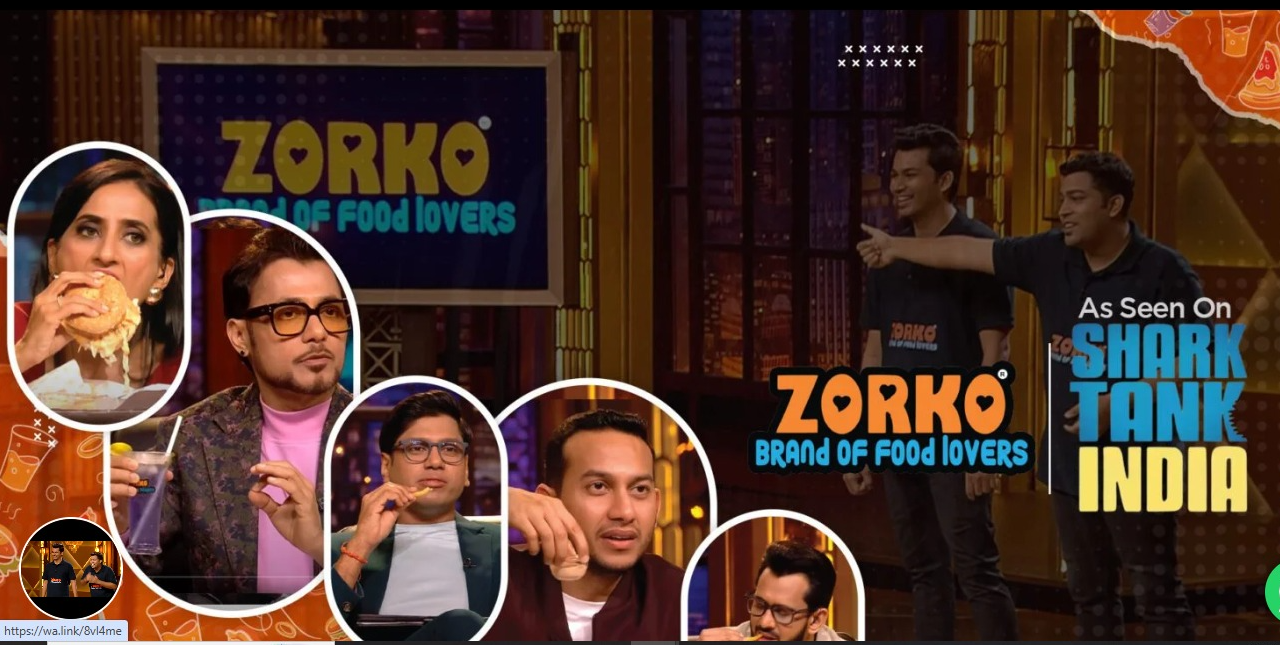
The food franchise industry in India has seen rapid growth in recent years. With changing consumer preferences and an increase in disposable income, food franchises have become a lucrative business model. Among the many emerging food brands, Zorko, one of the best fast food brands featured on Shark Tank India, stands out as a top contender in the food franchise in India market for 2025. This article explores the best food franchises and why Zorko is an excellent choice for aspiring entrepreneurs.
Why Are Food Franchises Thriving in India?
India’s food industry is booming, and food franchises are at the heart of this growth. The demand for quick-service restaurants (QSRs), delivery-based services, and local and international food chains is increasing. Several factors contribute to the expansion of the food franchise in India sector:
- Changing Lifestyles: Busy schedules and working professionals prefer quick and easy food options.
- Urbanization: Cities are growing, and so is the need for food outlets.
- Fast Food Popularity: Fast food is affordable, convenient, and caters to a wide range of tastes.
- Online Food Delivery: Services like Zomato and Swiggy make food more accessible, benefiting franchises.
These trends have made the food franchise in India sector attractive for new investors. The Indian fast food market is projected to grow at a compound annual growth rate (CAGR) of 18% in the coming years, driven by the increasing preference for QSRs.
What Makes a Food Franchise Profitable in India?
Profitability is the real measure of success in the food business. In today’s competitive market, the most successful ventures are food franchises built on efficiency, scalability, and demand consistency. The fast food QSR model, in particular, dominates this space due to its ability to:
- Serve high volumes
- Operate with limited menus
- Deliver quick service
- Reduce overhead costs
When combined with vegetarian offerings, these advantages multiply. Vegetarian menus appeal to a larger audience, reduce ingredient complexity, lower wastage, and improve consistency, naturally achieving better cost control than mixed-cuisine brands.
Top Food Franchises in India for 2025
If you’re looking to invest in a food franchise in India in 2025, there are several standout brands to consider. Below are some of the top food franchises to watch for this year:
1. Zorko: The Best Fast Food Brand from Shark Tank India
When it comes to the food franchise in India market, Zorko is a standout. After its appearance on Shark Tank India, Zorko quickly became one of the most popular fast food brands. The brand is known for its innovative menu, affordable prices, and high-quality ingredients. It has gained a loyal following due to its quick service and a menu that caters to a broad audience.
Zorko’s franchise model offers support in training, marketing, and operations. This makes it an ideal choice for aspiring business owners. With Zorko’s strong brand recognition, you can tap into an established customer base, reducing risk and increasing potential for success. Zorko also offers a unique free royalty fast food franchise model, eliminating typical royalty fees and significantly reducing operational costs for new entrepreneurs.
Why Zorko is the Best Fast Food Franchise:
- Proven Business Model: Zorko’s success story on Shark Tank proves its potential.
- Strong Brand Recognition: The brand is already well-known, helping attract customers.
- Affordable Pricing: Zorko offers a wide range of food options at affordable prices.
- Comprehensive Support: Franchisees receive full training and operational assistance.
- Low Investment, High Returns: Zorko’s franchise model is designed to minimize costs while maximizing profits.
- Free Royalty Model: Eliminates ongoing royalty fees, increasing franchisee profitability.
If you’re looking for a food franchise in India that combines credibility with an established business model, Zorko is a top choice.
2. McDonald’s India
McDonald’s needs little introduction. It is one of the largest fast food chains worldwide, and it has done exceptionally well in India. The brand’s diverse menu, which includes local options, has helped it maintain its dominance. McDonald’s is a well-established food franchise in India, making it a safe investment for anyone looking to start a franchise.
3. Domino’s Pizza
Domino’s is another major player in India’s fast food market. Known for its pizzas, quick service, and affordable pricing, Domino’s has built a loyal customer base. As one of the top food franchises in India, Domino’s provides franchisees with extensive support, making it a reliable investment.
4. Bikanervala
For those interested in Indian snacks and sweets, Bikanervala is a top choice. Known for its traditional offerings, the brand has built a strong reputation over the years. With its high-quality snacks and sweets, Bikanervala remains one of the most trusted food franchises in India.
5. KFC India
KFC continues to be a dominant name in India’s fast food market. Known for its chicken, KFC’s popularity has only grown over the years. The brand offers a profitable franchise model that ensures long-term growth and success. It remains a top food franchise in India for anyone interested in the fast food industry.
6. Subway India
Subway is well-known for its customizable sandwiches, which appeal to health-conscious customers. Subway’s business model and wide menu range make it one of the best food franchises in India. The brand’s focus on fresh ingredients and customization.
Comparing Food Franchise Opportunities
Choosing the right franchise involves considering various factors like investment, brand recognition, and operational support. Here’s a brief comparison of some leading options:
| Franchise | Investment Level | Brand Strength | Focus | Unique Selling Proposition |
| Zorko | Low to Medium | High (Shark Tank India Feature) | Pure-Veg Fast Food | Free Royalty Model, Affordable Pricing, Strong Support |
| McDonald’s India | High | Very High | Global Fast Food | Established Global Brand, Localized Menu |
| Domino’s Pizza | Medium to High | Very High | Pizza QSR | Strong Delivery Network, Popular Menu |
| Bikanervala | Medium | High (Indian Sweets & Snacks) | Traditional Indian Snacks & Sweets | Legacy Brand, Wide Range of Traditional Products |
| KFC India | High | Very High | Fried Chicken Fast Food | Globally Recognized Chicken Brand |
| Subway India | Medium | High | Sandwich & Salad QSR | Customizable Options, Health-Conscious Appeal |
Frequently Asked Questions About Food Franchising in India
Q1: What is the average investment for a food franchise in India?
Investment can vary significantly, from a few lakhs for smaller QSRs or delivery-focused models to several crores for established international brands. Zorko offers a more accessible entry point with its low-cost franchise model.
Q2: What are the key steps to starting a fast food franchise?
The process generally involves researching and selecting the right franchise, understanding the financial requirements (franchise fees, initial investment), signing the franchise agreement, undergoing training, site selection, and setting up operations.
Q3: How important is brand recognition when choosing a food franchise?
Brand recognition is crucial as it leverages an existing customer base, reduces marketing hurdles, and builds trust. A brand like Zorko, with its Shark Tank India presence, offers immediate recognition.
Q4: What kind of support can I expect from a food franchisor?
Reputable franchisors typically provide comprehensive support, including initial training, operational guidance, marketing assistance, supply chain management, and site selection support.
Q5: Is a free royalty franchise model a good option?
Yes, a free royalty model, like the one offered by Zorko, can be highly advantageous, especially for new entrepreneurs, as it eliminates ongoing royalty fees, thereby increasing the franchisee’s profit margins and reducing the overall cost of operation.
Conclusion: Invest Wisely in India’s Food Franchise Boom
India’s food franchise industry presents a remarkable opportunity for entrepreneurs. With rapid urbanization, evolving lifestyles, and a growing appetite for convenient and quality food, the demand for food franchises is set to soar. While established brands offer stability, emerging brands like Zorko, with its innovative business model, affordability, and unique free royalty offering, provide a compelling proposition for those seeking a profitable venture with lower initial risks. By carefully considering your investment capacity, business goals, and market demand, you can choose the best food franchise in India to build a successful and sustainable business.